
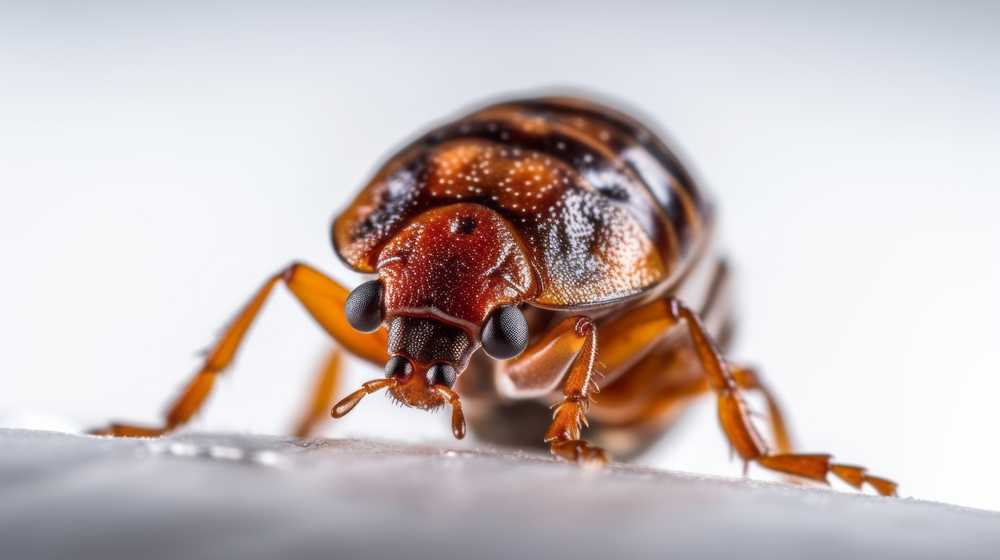
Bed bugs are most often associated with beds and mattresses. But these persistent pests can spread well beyond the bedroom as an infestation spreads throughout a home. Knowing where these pests are most likely to hide can help you identify an infestation and arrange treatment before the problem becomes more difficult, and more expensive, to control.
Bed bugs generally stay close to those places where people tend to rest for extended periods. It makes their feeding routine easier and safer. However, they can easily travel through cracks and wall to take refuge in furniture and other personal belongings as an infestation grows.
Here are some of the most common household bed bugs hot spots to check if you suspect you might have a burgeoning bed bug infestation.
Mattresses and Box Springs
We’ll start with the most obvious place to begin your inspection. Bed bugs are most often found hiding in mattresses and box springs. They’ll hide along the seams, piping, and any available folds in the fabric.
When inspecting a bed pay particular attention to the underside and edges of the mattress. Also check any recesses in the box spring, as well as the wooden frame itself. Look for live bugs, shed skins, or dark fecal spotting. These are all tell-tale signs of bed bug activity.
Bed Frames and Headboards
Bed bugs don’t always hide in mattresses. Bed frames and headboards can also provide ample hiding places, especially if they contain cracks, joints, and screw holes. These are all attractive havens for bed bugs trying to avoid detection.
Wooden headboards should be checked around joins, attachment points, and any cracks or crevices. Upholstered headboards should be given special attention, as bed bugs can hide beneath the fabric or along seams in the upholstery.
Nightstand and Bedroom Furniture
Nightstands, dressers, and other bedroom furniture are common secondary hot spots. Bed bugs can hide in drawer joints, underneath furniture, behind handles, and along cracks in the wood.
When checking for bed bugs remove drawers and inspect both the drawers and the interior of the cabinet. Check the backs of the item as well, particularly where it butts up against the wall.
Couches and Recliners
It’s important to remember that bed bugs are not limited to bedrooms. Sofas, couches, recliners, and other upholstered furniture can also become prime infestation sites. Basically, any piece of furniture you can take a nap on needs to be inspected.
Check along the seams and folds of any upholstered furniture, paying close attention to zippers and piping. Closely inspect the mechanical components of any recliners as these are prime hiding spots for bed bugs. If necessary use a flashlight to see into any recesses where bed bugs might be hiding.
Baseboards, Cracks and Crevices
As infestations grow, bed bugs may begin migrate into other parts of the home. Baseboards, cracks in walls, and gaps around electrical outlets and plumbing fixture provide the opportunities they need to expand their horizons.
Begin by checking around beds and couches, giving special attention to electrical outlets, molding, and cracks or gaps in walls. In multi-unit housing, bed bugs may sometimes move between rooms or units through wall voids and other openings, making professional inspection particularly important when infestations persist.
Closets
Closets can become a hot spot when bed bugs spread through clothing, luggage, or personal belongings. Items stored close to an infested bedroom may provide opportunities for bed bugs to move from location to another.
Pay attention to piles of clothing, shoes, boxes and other items stored on or near the closet floor. If you discover signs of bed bug activity seal the items in trash bags or sealed containers until they can be successfully treated.
Early Detection Makes Treatment Easier
Finding bed bugs in one location doesn’t necessary mean an infestation is restricted to the area. A thorough inspection should consider the entire room and nearby furniture, particularly places where people sleep or rest for extended periods of time.
If you find evidence of bed bugs, avoid moving potentially infested furniture. Moving items from one room to another can unintentionally spread the infestation. Instead, document what you’ve found and contact a licensed pest control service that can determine the extent of the infestation and devise an appropriate treatment plan.
Household bed bug hot spots extend far beyond the mattress. Beds, headboards, nightstands, upholstered furniture, baseboards, closets, curtains, and even wall decorations can provide hiding places. Regular inspection and early detection can help homeowners identify problems before bed bugs spread throughout the home.
The key is to look for evidence in the places bed bugs are most likely to remain hidden. When an infestation is suspected, professional inspection and treatment can provide a more thorough approach than trying to locate and eliminate every bug individually.
Published by Scott Palatnik
We are Bedbug Inspection & Elimination specialists.
From Manhattan to Montauk and all points in between.
Got questions?
We got answers.
Give us a call @ 516-619-6149