
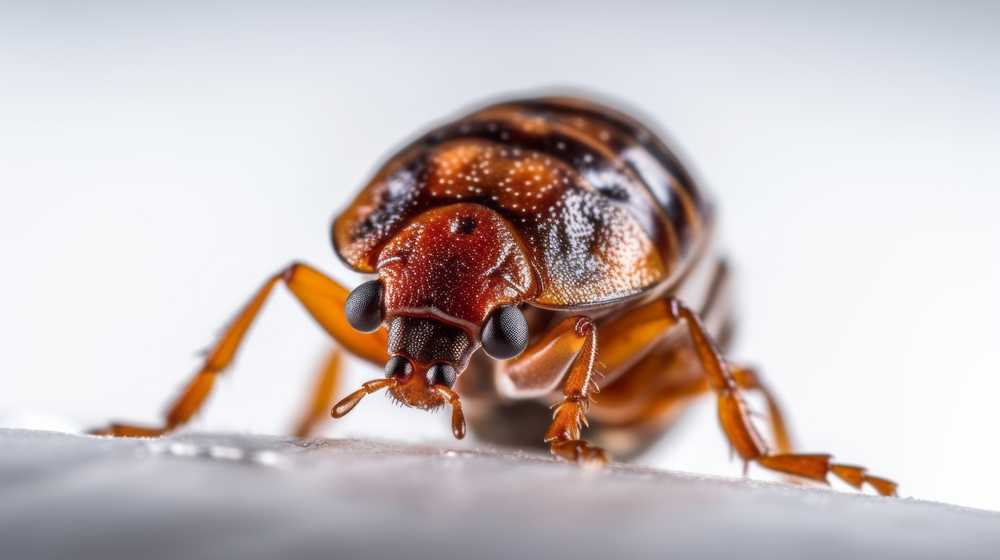
Apartment living offers convenience, affordability, and a sense of community. But it also presents some unique challenges. Especially when it comes to pest control. Unlike single-family homes, apartments share walls, ceilings, floors, hallways and common spaces. This makes it easier for bed bugs to spread from one unit to another.
Fortunately, with a few proactive habits, apartment residents can significantly reduce their risk for bringing bed bugs into their home. Here what every apartment dweller should know about keeping their home free of bed bugs.
Understand How Bed Bugs Spread
Bed bugs are champion hitchhikers. They cling to luggage, backpacks, furniture and clothing. In apartment buildings they can move through tiny cracks in walls, electrical outlets, plumbing openings and shared utility lines.
Knowing how bed bugs travel is the first step toward prevention. This will help you to recognize situations that increase the likelihood of an infestation before it becomes a real nightmare.
Beware of Secondhand Furniture
Buying used furniture can certainly save you money, but it also presents one of the highest risks for introducing bed bugs into an apartment.
Before bringing any secondhand items into your home:
- Inspect seams, cushions, folds and crevices.
- Look for live bed bugs, shed skins, tiny white eggs, or dark fecal stains.
- Avoid discarded furniture left on curbs or near dumpsters.
- Whenever possible, purchase from reputable resale stores that inspect and clean their inventory.
If there is any doubt about an item’s condition it’s always better to pass on the purchase than risk an infestation. The money you think your saving could end up costing you plenty.
Reduce Clutter
Clutter provides bed bugs with an endless selection of ideal hiding places, making both inspection and treatment much more difficult. This is less about cleanliness and more about limiting the number of places bed bugs can hide.
Keep your apartment organized by:
- Limiting items stored under beds.
- Using sealed containers for long term storage.
- Regularly organizing closets.
- Removing unnecessary cardboard boxes.
A tidy apartment makes it much easier to detect bed bugs early, before a full scale infestation makes treatment more costly and more difficult.
Protect Your Bed
Bed bugs typically prefer to feed while people are asleep. So protecting your bed and bedroom is one of the most important preventative measures you can take.
Consider implementing the following:
- Use certified bed bug-proof mattress encasements.
- Keep bedding from touching the floors.
- Pull beds slightly away from walls.
- Avoid storing items under beds whenever possible.
These measures won’t stop an infestation, but they can reduce hiding places making inspections and treatment much easier.
Perform Routine Inspections
When guarding against bed bug infestations early detection is critical. This is, perhaps, the most important proactive step you can take.
Every few weeks, inspect:
- mattress seams
- box springs
- bed frames
- headboards
- nightstands
- upholstered furniture
There are some tell-tale signs you want to watch for, including:
- small reddish-brown insects
- tiny white eggs
- shed exoskeletons
- black spotting from fecal droppings
- small blood stains on sheets
Finding evidence of bed bug activity early can stop a minor issue from becoming a large-scale infestation.
Seal Any Entry Points
One of the major vulnerabilities of multi-unit housing is shared walls and communal spaces. This gives bed bugs plenty of opportunities to travel between units. Reducing potential entry points can help limit their movement and protect your own apartment.
Looks for gaps around:
- electrical outlets
- pipe fittings
- baseboards
- window frames
- door frames
Ask apartment maintenance to seal any larger cracks and openings. While sealing these won’t stop an infestation, it can slow the spread between units.
Be Careful Using Shared Laundry Facilities
Apartment laundry rooms are generally safe spaces, but it’s still important to take precautions. Transport dirty clothes in washable bags or plastic containers. After washing, dry clothing on high heat as the items allow. Heat will help kill bed bugs at all stages of their life cycle.
Avoid placing clean laundry on folding tables if you’re unsure of the their cleanliness. Inspect laundry baskets before bringing them back into your apartment.
Notify Landlords or Property Managers
One of the major advantages of apartment living is having property management available to address building-wide pest problems. If you notice any signs of bed bug activity, you should:
- Report the problem immediately
- Cooperate with inspection requests
- Follow preparation instructions for treatment
Prompt reporting benefits not only you but your neighbors as well. Delaying treatment gives bed bugs more time to spread throughout the building.
Build Good Prevention Habits
Preventing bed bugs is about consistent habits. Regular inspections, clutter reduction, and prompt communication with property management all work together to minimize the risk of infestation.
Apartment residents that stay vigilant are far more likely to catch problems early, reducing treatment costs and inconvenience.
Bed bugs are an unfortunate reality in multi-unit buildings. But apartment living doesn’t mean infestations are inevitable. By understanding how bed bugs spread, maintaining a clean and organized living space, and reporting concerns immediately, you can greatly reduce your chances of experiencing an infestation.
Prevention is always easier, less expensive, and less stressful than treatment. A few simple precautions can help keep your apartment comfortable, healthy, and free of bed bugs for years to come.
Published by Scott Palatnik
We are Bedbug Inspection & Elimination specialists.
From Manhattan to Montauk and all points in between.
Got questions?
We got answers.
Give us a call @ 516-619-6149